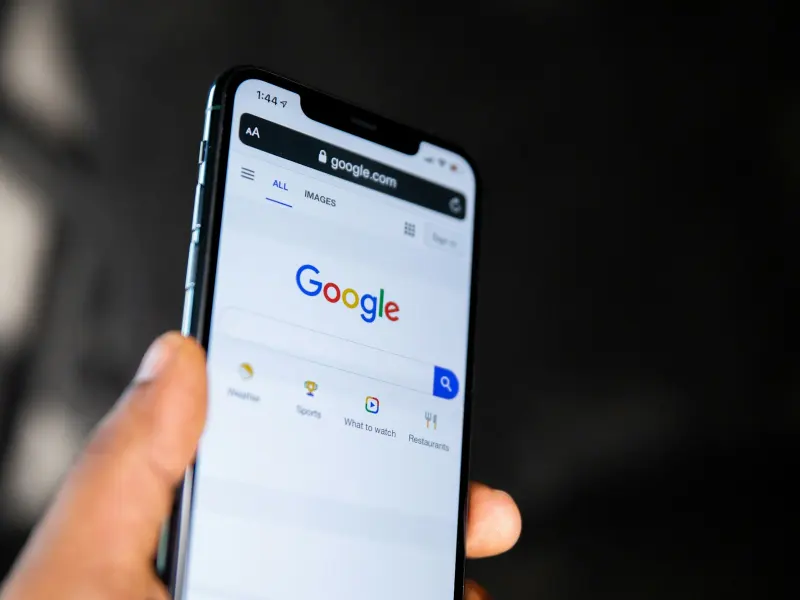


In a world where online activity grows day by day, each of us is trying to find our place. Ideas come to mind, each more interesting than the last, sometimes far-fetched, sometimes realistic, and we want to make them happen. Making them happen takes a budget, and we have to choose: “Website or mobile app?”. Of course, having both would be better, but when the budget isn't enough for both, we have to start with one.
First, I can tell you there is no single definite answer to this question. You'll make the choice that fits your needs yourself by reading this article. To do that, you first need to understand the difference between the two options and weigh it against your needs. Let's begin.
The difference between a website and a mobile app
Websites are groups of pages linked to each other in HTML format. Their design can be adapted to every portable device, and visitors don't have to install anything. An internet connection is all it takes to open a website, and it's a relatively cheap way to deliver information to users.
Mobile apps, on the other hand, are complete, functional programs that can work offline or online depending on how they're built. Users have to download them, and they cost the founder more money. But they're needed to promote a popular brand better.
According to research by the eMarketer platform, mobile websites are still used more than apps in e-commerce. But before choosing, let's look at the features of both.
Website features — fast and easy updates
A website can be built and then updated faster than a mobile app. You can build one with the help of a CMS (for example WordPress, Joomla or DLE), and there are endless resources for that online. A first version can also be built with languages like HTML, CSS and XML (these are easy for beginners). Even if you don't do it yourself, any developer will build a website for much less than a mobile app. Once it's built, every update is visible to all users instantly. For a mobile app, approving each update takes on average 2 hours on Google Play and 2 days on the App Store.
Websites fit all operating systems and screen sizes
As we said at the start, websites can be built to fit every screen size (responsive). So users on any operating system and any screen size can easily open the site, which means reaching a wider audience in a shorter time. A mobile app has to be built separately for each operating system.
Websites are easier to optimise for search engines
Thanks to this, when SEO is done properly, websites show up for users in every search engine, which brings results faster. For mobile apps this process is called ASO (App Store Optimisation). However, its algorithm is shaped by the ratings users give, regardless of what you do. That leaves you unable to control the process and causes delays.
Mobile app features — closer contact with the user
What does that mean? If your project needs instant interaction with your customers, or processes that run on their instant reactions, a website won't be the right choice for you. This is the biggest advantage mobile apps have over websites.
Using the features of the user's device
With a mobile app you can use the features of the user's phone or tablet (camera, sensors, GPS and so on). That lets you create a richer and more functional program for the user, and with these features you can also collect the data you need and make better updates.
Notifications
Notification marketing is irreplaceable for keeping users informed about your app. All of us want to send news to all our users at once, and mobile apps do this very well. Push notifications can be set up for websites too, but compared with mobile apps, far fewer people use them.
Offline use
Mobile apps have the advantage of working offline. You can add offline use to a mobile app built with the features that suit you and give users a more convenient program.
Conclusion
So which side wins? Let's sum up. Weighing the advantages and disadvantages of both, we might mistakenly say the website is better. That's partly true. If your goal is to build a program quickly for every user who can connect to the internet, a website can be the right choice. But if you want to build a fully functional program that stays in constant contact with users' devices and uses their sensors, and you have the time and money, a mobile app is the right choice. In the end, a grown brand should have both. After this article, you can decide which one to start with.